
Introduction
The global economy has transformed dramatically over the last century, driven by technological innovation, financial expansion, globalization, and digital transformation. Among the most influential sectors shaping economic development are banking institutions and payment systems, especially bank cards. Modern economies depend heavily on secure financial systems that allow individuals, businesses, and governments to exchange money efficiently and safely. Banks serve as the backbone of economic activity, while bank cards have revolutionized how people conduct daily transactions.
This article explores the development of the economy, the role of banks in financial stability, and the growing importance of bank cards in the digital age. It also examines challenges facing the banking industry and how financial technology is changing the future of payments.
Understanding the Economy
The economy refers to the system through which goods and services are produced, distributed, and consumed within a society. It includes industries, businesses, workers, governments, and financial institutions that interact to create economic growth and improve living standards.
Economic systems vary from country to country. Some nations operate free-market economies where private businesses drive production and prices. Others use mixed economies, combining government regulation with private enterprise. Regardless of the system, a strong economy depends on several important factors:
Stable financial institutions
Low unemployment
Controlled inflation
Strong industrial production
Consumer confidence
Technological advancement
Economic growth is commonly measured through Gross Domestic Product (GDP), which represents the total value of goods and services produced within a country during a specific period.
The Role of Financial Institutions
Financial institutions are essential for economic development because they manage money flow within society. Banks, insurance companies, and investment firms help businesses expand, allow consumers to save and borrow money, and support governments through financial services.
Without financial institutions, economic activity would slow significantly because businesses would struggle to obtain funding and consumers would face difficulties making transactions.
The History of Banking
Banking has existed for thousands of years. Ancient civilizations such as Mesopotamia, Greece, and Rome used early banking systems where merchants stored valuables and exchanged currencies.
Modern banking began developing in Europe during the Renaissance period. Wealthy merchant families created financial systems that supported trade and investment. Over time, banks became more organized and regulated by governments.
Today, banks operate globally and provide a wide range of services, including:
Savings accounts
Loans and mortgages
Business financing
Investment services
Currency exchange
Online banking
Payment processing
Banks are critical because they collect deposits from customers and lend money to individuals and businesses. This process stimulates economic growth by encouraging spending, investment, and entrepreneurship.
Types of Banks
There are several different types of banks that serve specific purposes within the economy.
Commercial Banks
Commercial banks are the most common type. They provide services to individuals and businesses, including checking accounts, savings accounts, loans, and debit cards.
Examples of commercial banking activities include:
Personal loans
Credit cards
Home mortgages
Business accounts
Central Banks
Central banks manage a country’s monetary system. They control interest rates, regulate money supply, and maintain financial stability.
Some major responsibilities of central banks include:
Controlling inflation
Issuing national currency
Supervising commercial banks
Managing foreign reserves
Examples include:
The Federal Reserve in the United States
The European Central Bank
The Bank of England
Investment Banks
Investment banks focus on helping corporations and governments raise capital. They manage stock offerings, mergers, acquisitions, and large financial transactions.
Digital Banks
Digital banking has become increasingly popular in recent years. These banks operate mainly through mobile apps and online platforms without physical branches.
Digital banks offer:
Fast account opening
Lower fees
Instant transfers
Mobile payment services
The rise of digital banking reflects changing consumer behavior and growing dependence on technology.
Banking and Economic Stability
Banks play a central role in maintaining economic stability. A healthy banking system increases confidence among consumers and investors, encouraging economic activity.
Lending and Economic Growth
One of the primary functions of banks is lending money. Businesses use loans to expand operations, hire workers, and invest in equipment. Consumers borrow money for homes, education, and personal expenses.
When banks increase lending, economic growth often accelerates. However, excessive lending can create financial risks.
Financial Crises
History has shown that weak banking systems can trigger economic crises. One major example was the global financial crisis of 2008, which began after excessive mortgage lending and risky investments caused major banks to collapse.
The crisis resulted in:
Rising unemployment
Falling property values
Business closures
Government bailouts
After the crisis, governments introduced stricter banking regulations to improve financial stability and protect consumers.
The Digital Transformation of Banking
Technology has changed banking more than any other industry in recent decades. Customers no longer need to visit physical branches for most services.
Online Banking
Online banking allows users to:
Check balances
Transfer money
Pay bills
Apply for loans
Monitor transactions
This convenience has improved customer experience and reduced operational costs for banks.
Mobile Banking Applications
Mobile banking apps are now widely used around the world. Customers can manage their finances directly from smartphones anytime and anywhere.
Features often include:
Fingerprint login
Instant notifications
QR code payments
Budget tracking
International transfers
Mobile banking became especially important during the COVID-19 pandemic when people avoided physical contact and preferred digital services.
The Rise of Bank Cards
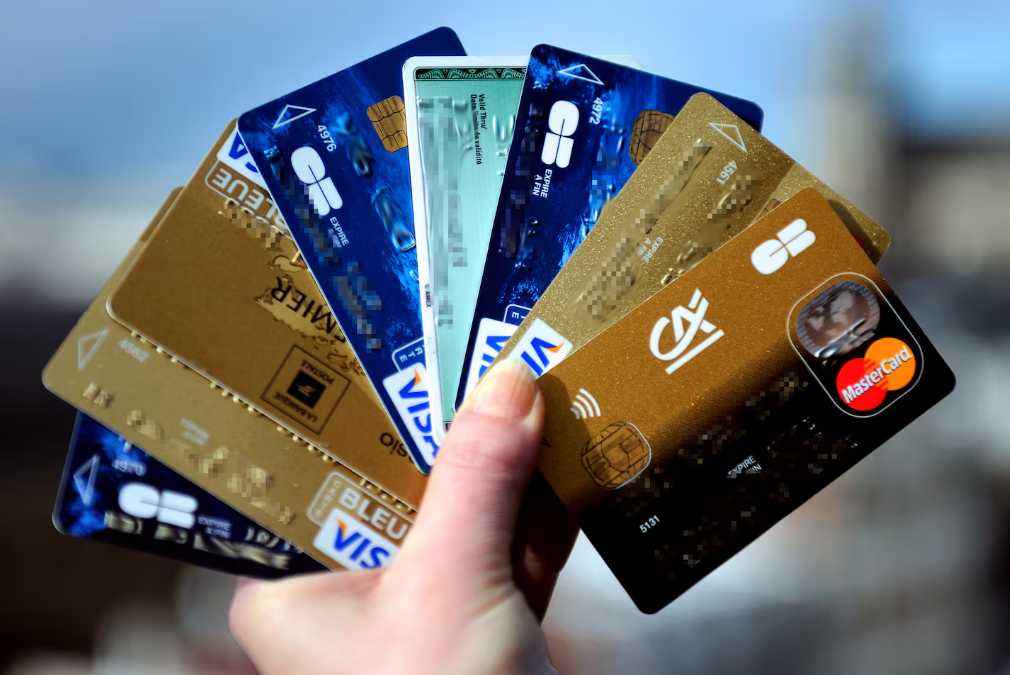
Bank cards have become one of the most important financial tools in modern society. They provide fast, secure, and convenient payment methods for millions of people worldwide.
There are several types of bank cards, including:
Debit cards
Credit cards
Prepaid cards
Virtual cards
Debit Cards
Debit cards allow users to spend money directly from their bank accounts. These cards are commonly used for:
Shopping
ATM withdrawals
Online payments
Restaurant bills
Debit cards are popular because they help consumers control spending and avoid debt.
Credit Cards
Credit cards allow users to borrow money from banks up to a specific limit. Customers repay the borrowed amount later, often with interest.
Advantages of credit cards include:
Emergency financial support
Reward programs
Travel benefits
Purchase protection
However, irresponsible use of credit cards can lead to financial problems and debt accumulation.
Prepaid Cards
Prepaid cards contain a fixed amount of money loaded in advance. They are commonly used by:
Students
Travelers
Online shoppers
These cards provide security because users cannot spend more than the available balance.
Virtual Cards
Virtual cards are digital payment cards used mainly for online purchases. They reduce fraud risk because card information can expire quickly or be limited to specific transactions.
How Bank Cards Work
Bank cards operate through electronic payment networks that connect banks, merchants, and customers.
When a customer uses a card:
The payment request is sent to the bank.
The bank verifies available funds or credit.
The transaction is approved or declined.
Funds are transferred electronically.
This entire process happens within seconds due to advanced financial technology systems.
Major global payment networks include:
Visa
Mastercard
American Express
These companies process billions of transactions every year across multiple countries.
Advantages of Bank Cards
Bank cards offer many benefits for consumers and businesses.
Convenience
Customers no longer need to carry large amounts of cash. Payments can be completed quickly in stores, online, or internationally.
Security
Modern bank cards include security technologies such as:
EMV chips
PIN verification
Two-factor authentication
Contactless encryption
If a card is lost or stolen, banks can freeze accounts and prevent unauthorized transactions.
Financial Tracking
Electronic payments create transaction records that help users manage budgets and monitor spending habits.
Global Accessibility
Bank cards allow travelers to access money and make purchases worldwide without exchanging large amounts of cash.
Contactless Payments and Digital Wallets
Contactless payment technology has become increasingly common. Customers can tap cards or smartphones on payment terminals without inserting cards physically.
Digital wallets such as:
Apple Pay
Google Pay
Samsung Wallet
allow users to store bank card information securely on mobile devices.
These technologies improve transaction speed and reduce physical contact during payments.
Cybersecurity and Banking Risks
As banking becomes more digital, cybersecurity has become a major concern.
Common Banking Threats
Cybercriminals target banks and customers through:
Phishing scams
Identity theft
Data breaches
Malware attacks
Fake websites
Banks invest heavily in cybersecurity systems to protect sensitive customer information.
Customer Protection
Consumers can improve security by:
Using strong passwords
Avoiding suspicious emails
Monitoring account activity
Enabling transaction alerts
Using secure internet connections
Financial education is essential to reducing online fraud risks.
Financial Inclusion and Digital Banking
Digital banking has improved financial inclusion in many developing countries. Millions of people who previously lacked access to traditional banks can now use mobile financial services.
Benefits include:
Easier money transfers
Access to savings accounts
Microloans for small businesses
Lower transaction costs
Mobile banking has become especially important in rural areas where physical bank branches are limited.
The Future of Banking and Payments
The future of banking will likely be shaped by artificial intelligence, blockchain technology, and automation.
Artificial Intelligence in Banking
Banks increasingly use AI for:
Fraud detection
Customer support chatbots
Loan approval analysis
Financial forecasting
AI improves efficiency while reducing operational costs.
Cryptocurrency and Blockchain
Cryptocurrencies such as Bitcoin introduced new ideas about decentralized finance. Blockchain technology may improve transparency and transaction security in the future.
However, governments and financial regulators continue debating how cryptocurrencies should be controlled.
Biometric Payments
Future payment systems may rely more on:
Facial recognition
Fingerprint scanning
Voice authentication
These technologies could replace traditional passwords and physical cards entirely.
Challenges Facing Modern Banks
Despite technological progress, banks face several important challenges.
Competition from Financial Technology Companies
Fintech companies provide fast and innovative financial services that compete with traditional banks. Many consumers prefer fintech apps because they are simple and user-friendly.
Regulatory Pressure
Governments continue introducing stricter regulations to prevent financial crimes and protect consumers.
Inflation and Economic Uncertainty
Global inflation, political instability, and economic recessions can affect banking profitability and consumer confidence.
Environmental Responsibility
Banks are increasingly expected to support sustainable investments and environmentally responsible projects.
The Importance of Financial Literacy
Financial literacy refers to understanding how money management, banking, credit, and investments work. In the modern economy, financial education is extremely important.
People with strong financial literacy are better able to:
Save money
Avoid debt
Use credit responsibly
Protect themselves from fraud
Make smart investment decisions
Schools, governments, and banks are investing more resources into financial education programs to help consumers navigate the modern financial world.
Conclusion
The economy, banking systems, and bank cards are deeply connected components of modern society. Banks support economic growth by providing financial services, managing money flow, and encouraging investment. At the same time, bank cards and digital payment technologies have transformed how individuals and businesses conduct transactions.
Technological innovation continues to reshape the financial industry through online banking, mobile applications, artificial intelligence, and digital payments. While these developments create greater convenience and efficiency, they also introduce new cybersecurity risks and regulatory challenges.
As economies become increasingly digital, financial literacy and secure banking systems will remain essential for economic stability and global development. The future of banking will likely involve even faster, safer, and more personalized financial services that continue changing how people interact with money in everyday life.